
Two stories in the same results
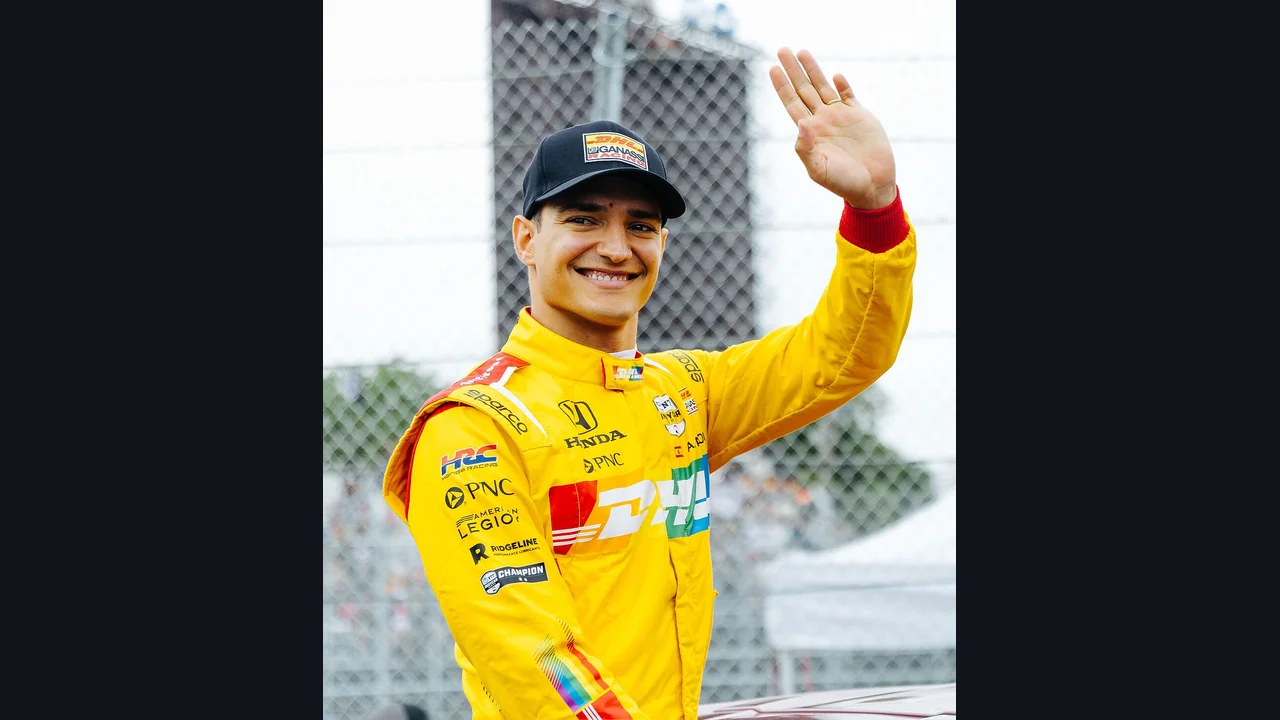
The 2026 IndyCar season can be described through both the variety of its results and the authority of its champion. The final standings show Alex Palou on 631 points, ahead of Kyle Kirkwood on 545 and Christian Lundgaard on 535. An 86-point margin between the leading pair is substantial after 18 races, but it does not mean that every event had a predictable outcome. Understanding the championship requires separating the distribution of individual successes from the accumulation of points over an entire campaign. Those measures answer related but different questions about competitive strength.
Access to significant results
The series’ official review records eight race winners and 16 drivers who reached a podium. Nine teams achieved at least one top-three finish. All 10 full-time teams led laps and made at least one Firestone Fast Six appearance on a road or street circuit. These references support the argument that opportunities were widely distributed. They do not demonstrate equal machinery in every condition or an identical chance of winning for every team at every circuit. A season can contain meaningful openings for many competitors while still producing a recognisable hierarchy over the full calendar.
Why a championship demands more
Palou finished with six victories and eight pole positions, according to the official table. His title therefore cannot be explained only through avoiding trouble: he also generated peak results. A championship rewards repeating that performance and limiting losses when victory is unavailable. In that setting, a field capable of producing many winners can make consistent scoring especially valuable. When rivals divide the available successes between them, a driver who collects strong points in more circumstances can establish a clear advantage without dominating every race. That is an interpretation of the results rather than a separate statistical measure.
Reading competitive depth properly
Assessing teams requires comparing the height of a performance with its frequency. An isolated podium establishes that a result was possible; repeated strong finishes indicate a more stable level. The same principle applies in qualifying, where a Fast Six appearance creates an opportunity without automatically producing a Sunday result. The editorial conclusion is that field depth and a champion’s superiority can coexist. The official figures describe a championship offering significant moments to many entrants, while Palou combined outright speed with a points total clearly beyond his closest rivals. Both elements belong in an accurate account of 2026.


