
The starting position
Campos Racing leads the F1 Academy teams’ standings before Austin on 212 points. Rodin Motorsport has 139, with MP Motorsport only twelve points behind the second placed organisation. The official championship analysis describes a four way contest that also involves PREMA. A 73 point deficit to the leader is substantial, but the teams’ competition must be assessed against its own remaining scoring opportunities, separately from the battle for the drivers’ crown. The two championships can develop in different directions during the same race.
Why depth matters
An organisation can employ the individual championship leader and still surrender valuable points if its other cars do not convert their opportunities. Collective performance cannot therefore be reduced to the result of the quickest driver. Weekend analysis should include how many cars score, their starting positions and the cost of incidents. A quiet performance in the middle of the field can contribute significantly to the eventual gap between teams whose leading drivers show similar speed at the front of the race.
Zandvoort reshaped the chase
The official account records that MP collected 53 points at Zandvoort and moved ahead of PREMA into third. Campos left with another 38 points and strengthened its lead. The example demonstrates two simultaneous dynamics: a leader can keep growing while the pursuers change order among themselves. Rodin consequently faces pressure from behind as well as ahead, with a team that finished the previous round strongly now close enough to influence the contest for second and the broader championship picture.
The Austin threshold
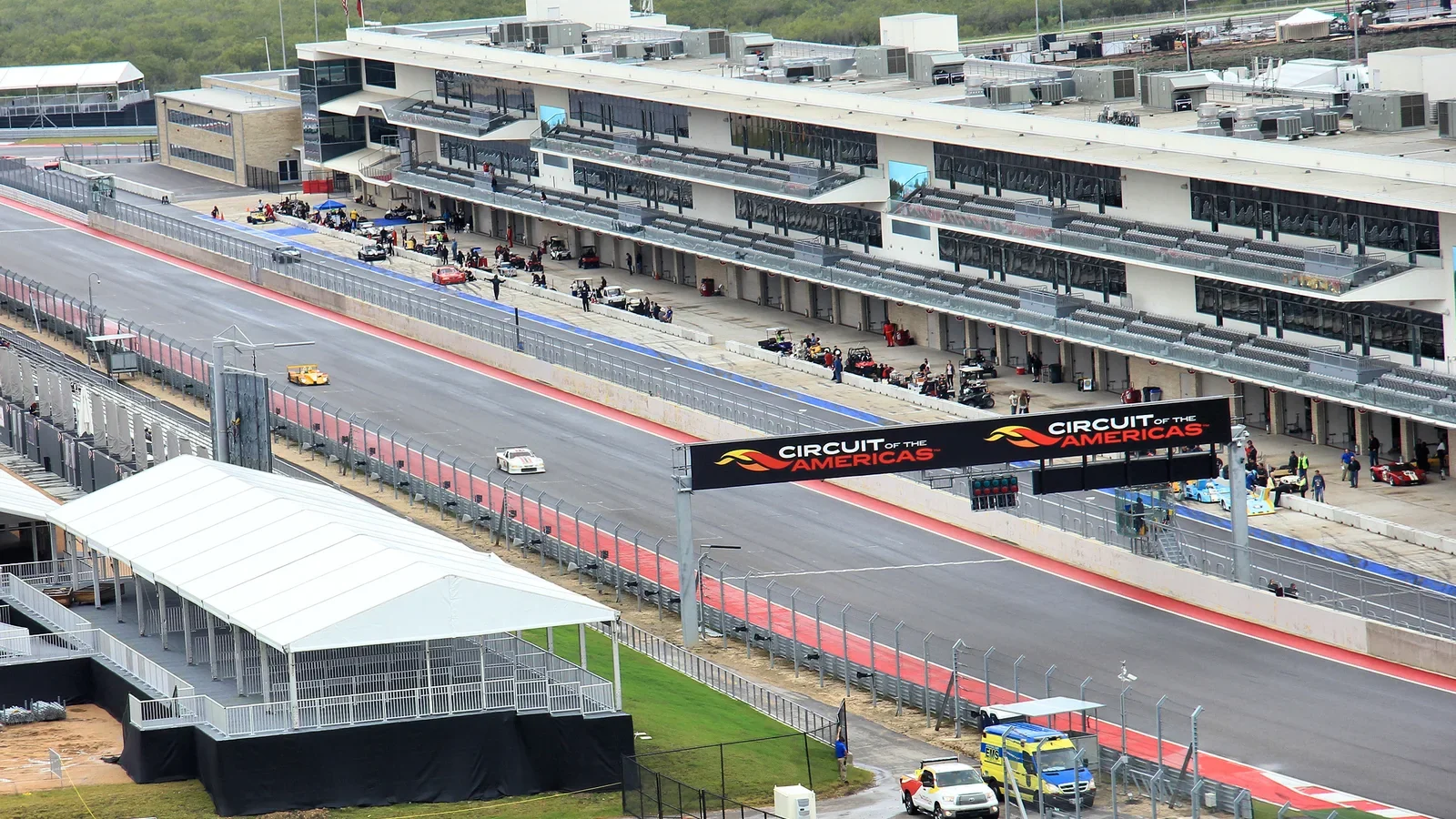
According to F1 Academy, Campos needs an advantage of at least 86 points after Circuit of the Americas to settle the competition there. That published threshold is an official mathematical reference, rather than an anticipated result. Thirteen points separate the current margin from the threshold, but the distribution of points among rivals can influence the scenario. A proper assessment needs to follow every team that remains eligible, rather than focusing only on the winner of the race or one leading driver.
Two titles, different decisions
The drivers’ championship will probably dominate discussion, but the teams’ objective creates a separate story. The same result can be sufficient for a driver and insufficient for her organisation. As of 17 October, Austin and Las Vegas remain in the future. Understanding the finish means following total scores after every race and the contributions of the whole group. Those figures can turn what appears to be an individual contest into evidence of collective consistency across an entire weekend, without assuming the strongest team has already secured the trophy.

