Two new destinations
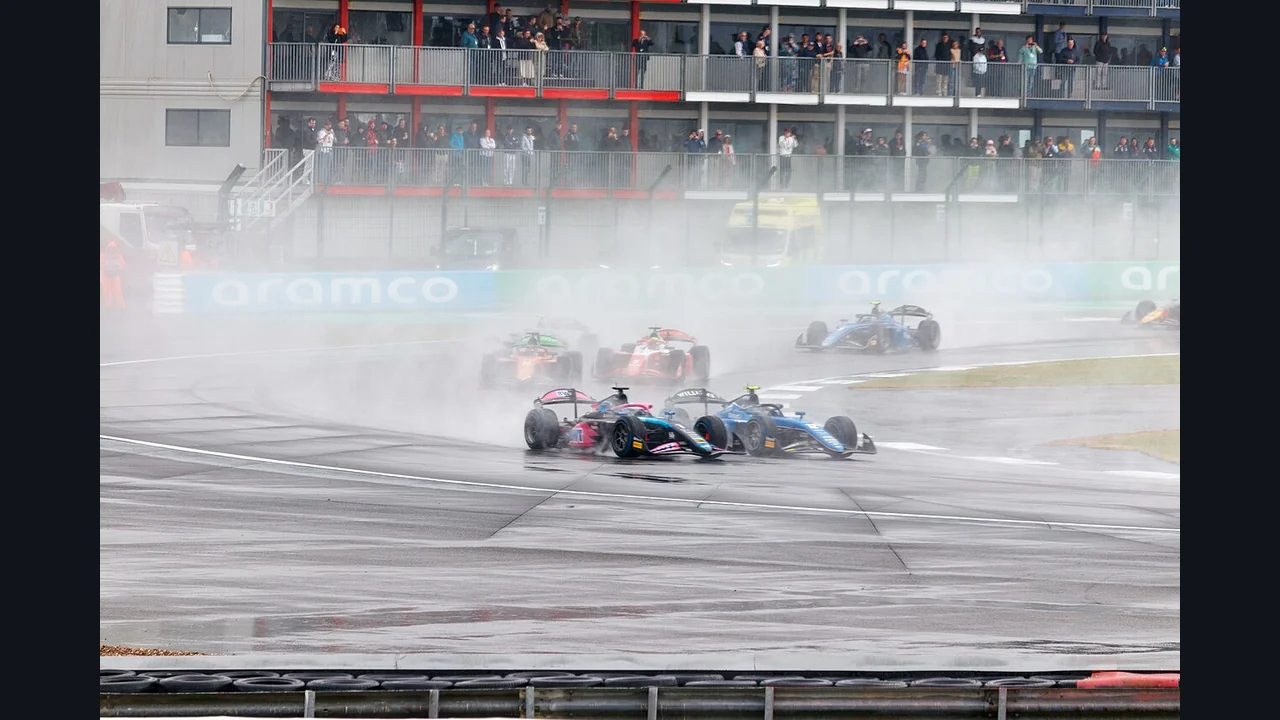
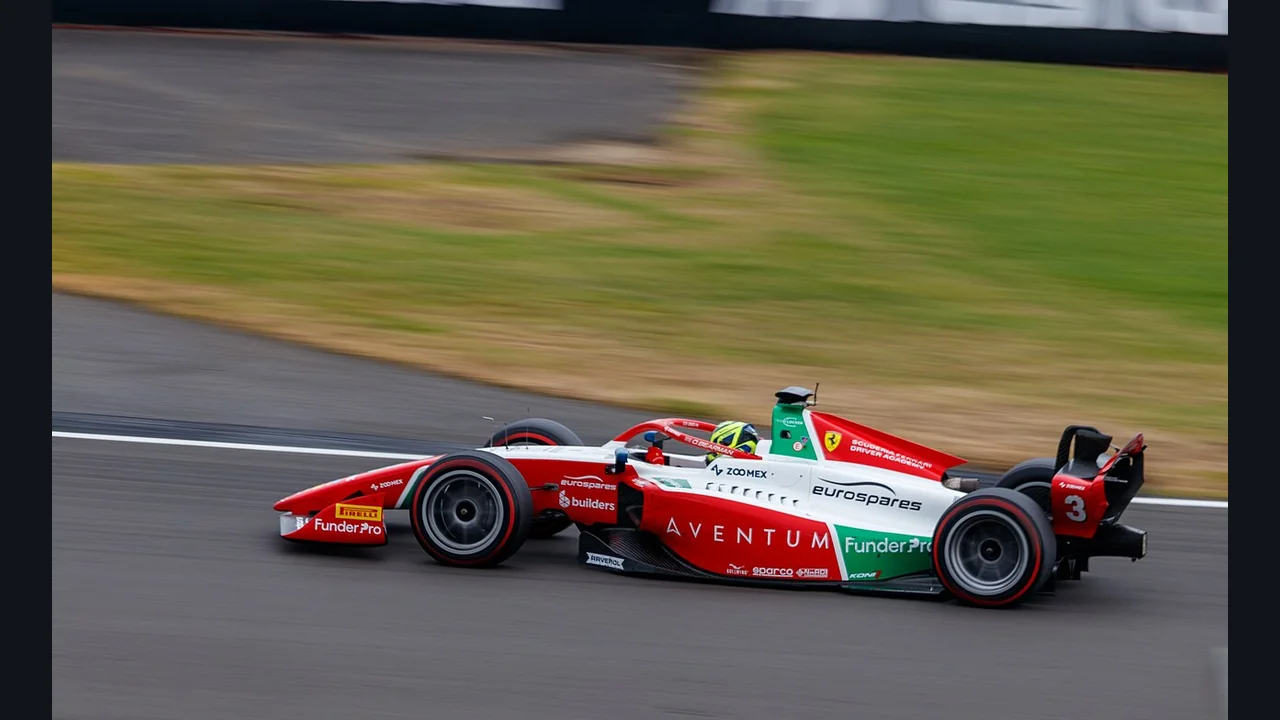
FIA Formula 2 has announced a 14 round calendar for 2027, adding Istanbul and Mexico City to its destinations. Montreal remains on the schedule after joining in 2026. The two October additions also aim to shorten the lengthy gap before the championship’s final rounds. This is a programme for the following season: dates and results from the current campaign must be consulted separately, without carrying information automatically from one edition into the other.
More continuity in autumn
The announced sequence places Monza, Madrid and Baku in September, followed by Istanbul and Mexico City in October. The closing visits remain Lusail and Yas Island in December. A denser sequence can alter how competitive form develops: teams obtain more recent reference points for assessing progress, but have fewer opportunities to treat every event as an isolated project. This is a potential consequence of the schedule’s structure, rather than an outcome already demonstrated by competition on those circuits.
Preparing for uncertainty
A venue new to the championship requires careful validation of simulator assumptions. Choosing a working programme and interpreting the first running become essential if a team is to avoid pursuing the wrong direction. A driver’s previous circuit experience, where available, does not replace experience in the category’s specific car. In practice, an organisation that learns quickly can recover part of an opponent’s advantage in historical information. The first sessions should therefore be judged for their quality of learning as well as headline speed.
Costs and distances
The organiser says it will cover freight costs linked to the territorial expansion so that teams do not bear its financial impact. That statement concerns the transport described in the release; it does not demonstrate that every operating expense will stay identical. Travel, personnel schedules and parts availability remain relevant within an intercontinental championship. Assessing sustainability requires attention to the arrangements actually implemented, rather than simply counting the number of rounds displayed on a map or in a promotional announcement.
What the structure will test
Fourteen weekends are more than fourteen opportunities to collect points. Their order can test recovery after a poor event and the ability to maintain preparation standards between continents. For followers, the calendar offers a more continuous autumn storyline. For competitors, the challenge will be turning that continuity into consistent execution across very different weekends. No competitive hierarchy for 2027 can be established from the announcement alone; the calendar defines the examination, while the teams and drivers still have to provide their answers.