A clear reference for speed
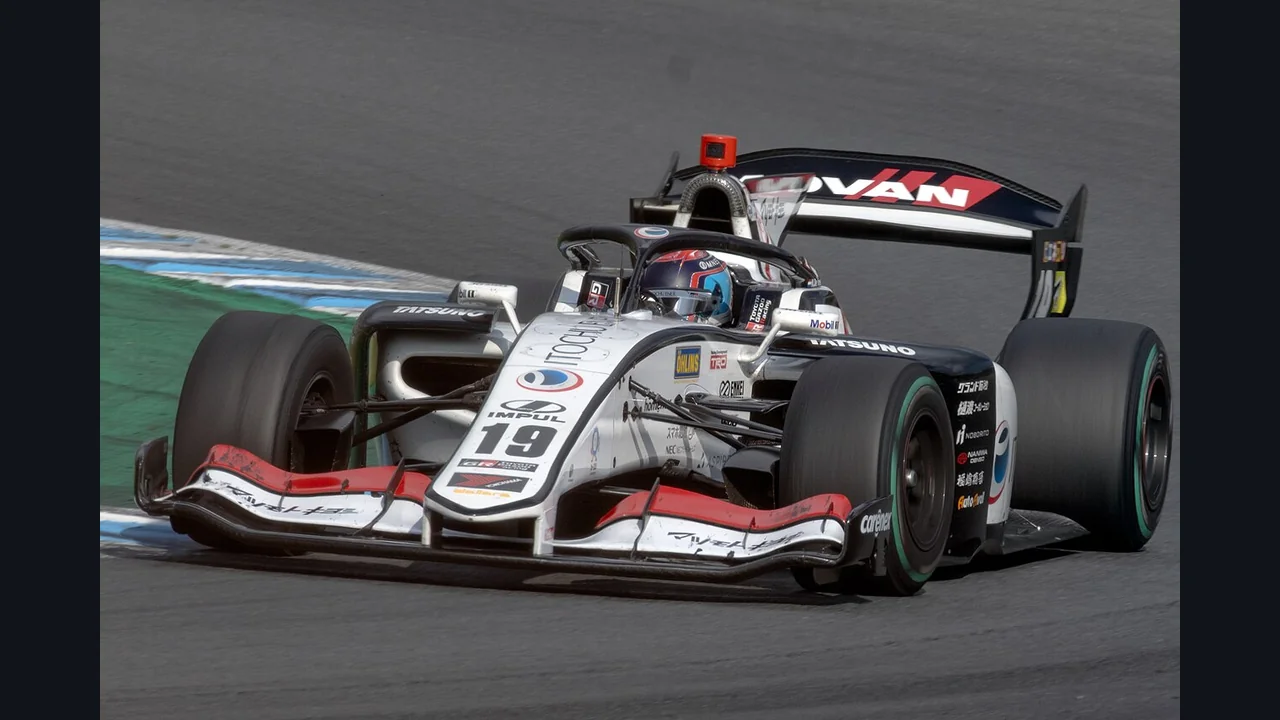
Igor Omura Fraga finished first in both qualifying sessions during Super Formula’s Fuji weekend. On Saturday, 10 October, he converted pole position into his second victory of the season. On Sunday, another pole produced no race points. The contrast supplies a useful subject for analysis: one-lap speed creates an opportunity, but scoring requires it to survive the start, pit stops and direct encounters. There is no contradiction between a weekend of outstanding qualifying pace and a return that leaves part of the opportunity unfulfilled. The two measures describe different stages of a competitive weekend rather than interchangeable achievements.
Saturday showed successful conversion
The official report for round nine records a pole-to-win performance by the PONOS NAKAJIMA RACING driver, ahead of Kakunoshin Ohta and Zak O’Sullivan. The race ran without Safety Car intervention. In that setting, Fraga converted his starting position into a complete result. For assessment, the victory supplies concrete evidence that his speed extended beyond a single qualifying attempt. It cannot, however, establish how every decision will work in another race, even at the same circuit during the same weekend. Conditions and events can change the practical demands placed on a driver who starts from an identical position.
Sunday changed the opportunity’s value
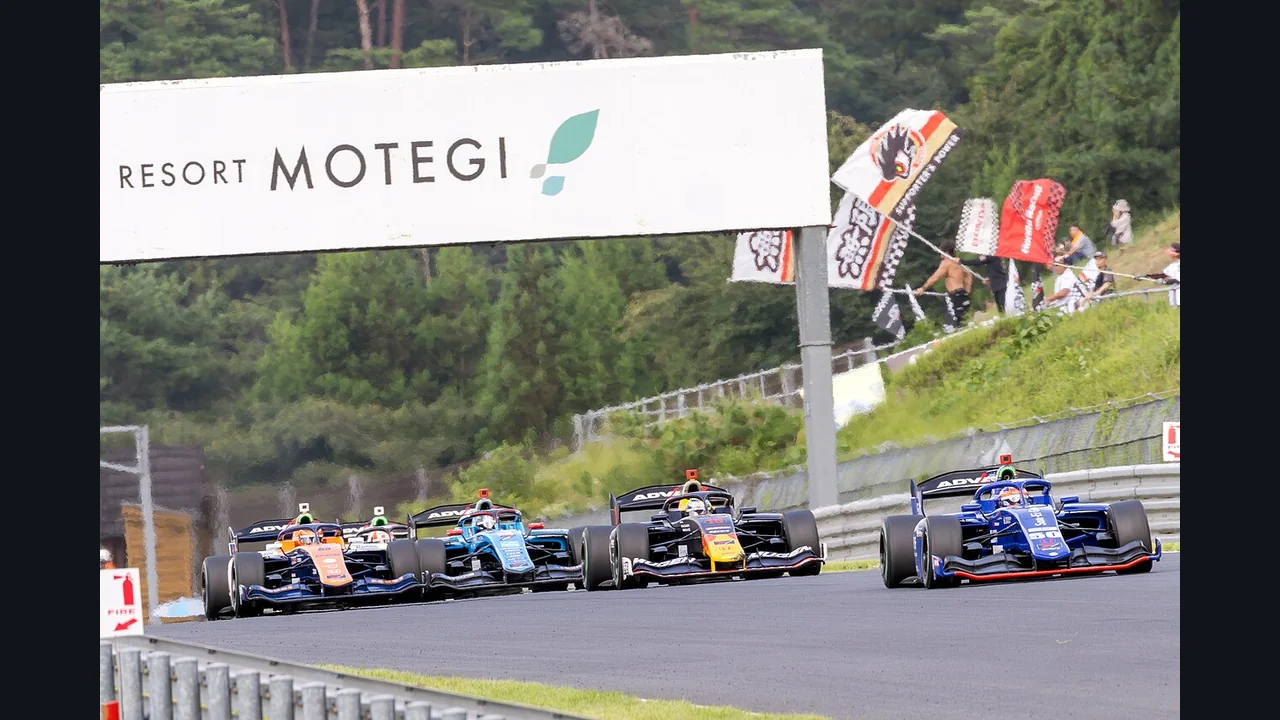
In round 10, Fraga lost the lead to Ayumu Iwasa after the start. Later contact with Ohta led to repairs and removed his chance of scoring in the race. Qualifying still supplied three points, explaining why the day does not appear as an absolute zero in the championship table. That distinction matters: qualifying points carry independent value even when they cannot fully compensate for a poor race result. Describing the sequence of events does not justify assigning an intention or sporting responsibility beyond the available official information. The assessment concerns the outcome and its cost to an otherwise strong weekend.
What to watch at the finale
Fraga has 77 points before Suzuka, behind Ohta and Iwasa. From a development perspective, the interesting question is whether he can retain his qualifying level while converting it into strong finishes more frequently. A sound assessment would separate pace from execution without treating incidents as a complete measure of a driver’s ability. Fuji supplied evidence both of the potential to control a race and of an opportunity’s vulnerability to subsequent events. For followers, the two days illustrate the difference between earning an excellent starting position and turning it into a result that remains on the championship table. Suzuka will provide another test of that conversion.