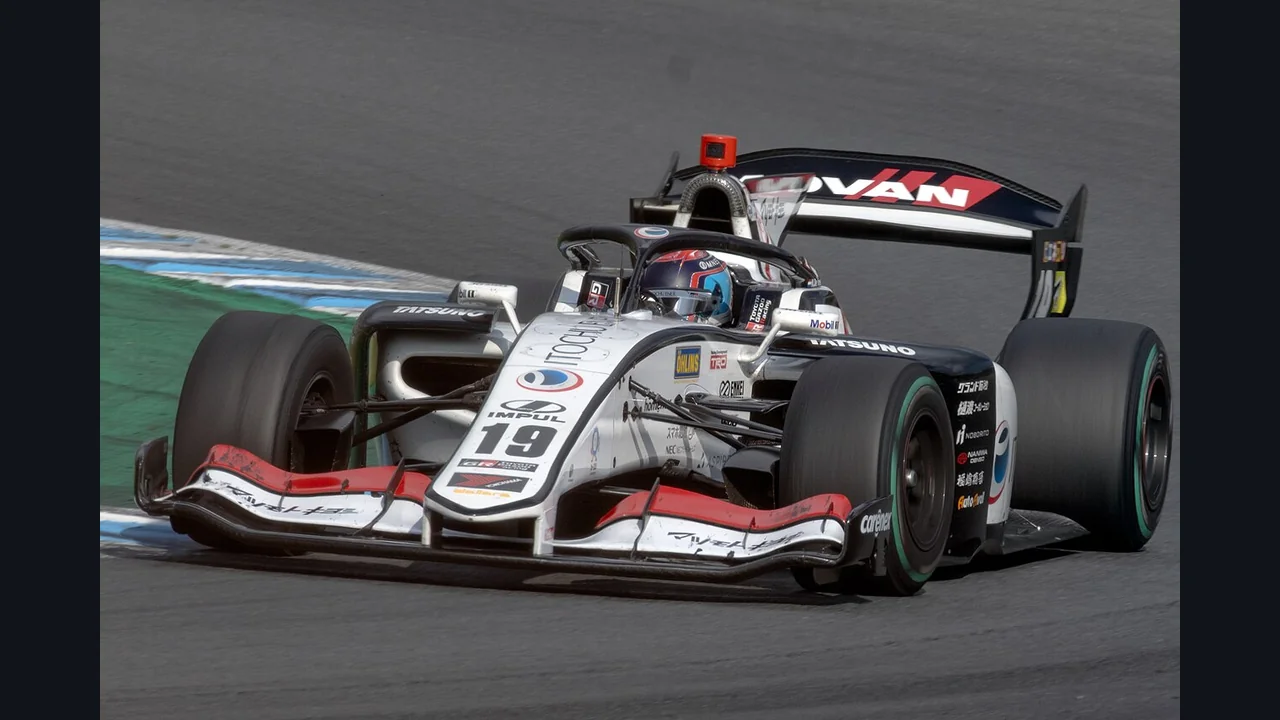
The standings before the final weekend
Kakunoshin Ohta leads Super Formula on 122 points following the Fuji event. Ayumu Iwasa has 89.5 and Igor Omura Fraga 77 in the updated official standings. The Suzuka finale is scheduled for 20–22 November and contains rounds 11 and 12. A 32.5-point gap between the leading pair clearly favours Ohta, but the title remains undecided. Understanding the situation requires including qualifying in the calculation: the weekend offers scoring opportunities before the start of each race and before strategy influences its outcome. Looking only at finishing positions would leave part of the championship equation out.
| Driver | Points | Gap to Ohta | Possible maximum |
|---|---|---|---|
| Kakunoshin Ohta | 122 | — | 168 |
| Ayumu Iwasa | 89.5 | 32.5 | 135.5 |
| Igor Omura Fraga | 77 | 45 | 123 |
Why the maximum is 46
The official scoring system awards 20 points for a race victory and three for first place in qualifying. A driver can therefore collect a maximum of 23 at each round and 46 across the remaining pair. This is an editorial calculation for normal running with full points. Iwasa can consequently reach 135.5 and Fraga 123. Ohta would exceed both limits by adding 14 points to reach 136. Fourteen is a sufficient threshold regardless of his rivals’ results; it is not the only combination through which he can become champion at Suzuka. Lower scores could suffice depending on events elsewhere.
| Combination | Additional points | Total |
|---|---|---|
| Fourth + fifth | 8 + 6 = 14 | 136 |
| Third + eighth | 11 + 3 = 14 | 136 |
| One victory | 20 | 142 |
How to read the examples
Fourth and fifth would bring 14 race points without any qualifying bonus. Third and eighth would reach the same threshold. One victory would be worth 20 points on its own. These examples are calculated from the scoring table rather than objectives announced by Ohta or his team. They show why consistent scoring matters for the leader and why his rivals’ results need to be followed alongside his own. If Iwasa or Fraga drop points, Ohta may need less to become champion.
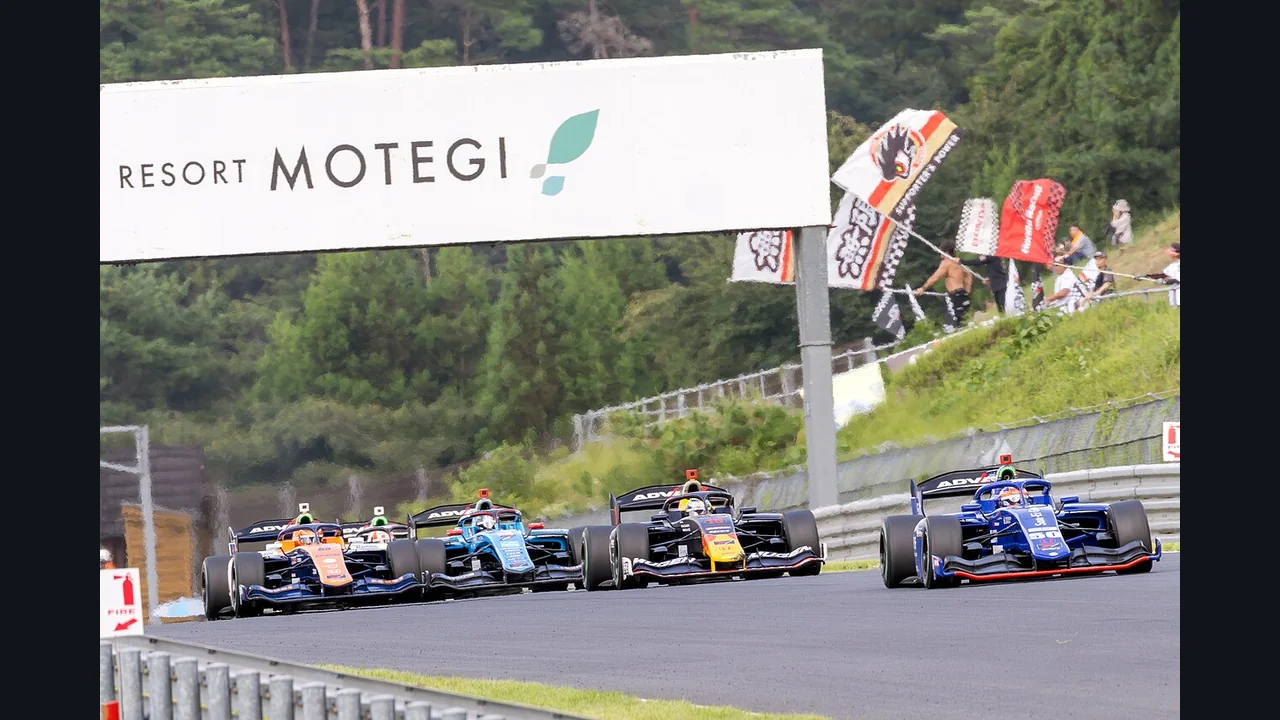
The challengers also need circumstances
For Iwasa, two victories would not automatically settle the championship if Ohta continues scoring enough. Fraga’s margin is tighter still: his maximum total exceeds the leader’s current score by just one point. Those limits explain why the contest cannot be reduced to a direct duel in a single race. Other drivers can take important points from the contenders, while a qualifying point can change the freedom available in the race. There is nevertheless no sound basis for predicting the precise running order or conditions at Suzuka. Mathematical opportunity and sporting probability should remain separate parts of the discussion.
Following the finish clearly
The best reference will be the gap recalculated after every scoring session. Iwasa’s Fuji victory maintained pressure without removing Ohta’s accumulated advantage. The leader has more combinations of favourable results available, while the challengers need a more restrictive sequence of outcomes. This is a mathematical interpretation of the table rather than a prediction of team tactics. Separating a sufficient threshold from the wider range of possible scenarios makes the championship easier to follow when the order changes quickly. Until Suzuka, every calculation remains conditional on the available points and the official published position. This analysis was revised on 25 October with tables and scoring examples; the final event remains scheduled for 20–22 November.