
Season thirteen has not started
Formula E’s official calendar shows 21 races for 2026/27, with none completed at the 17 October verification point. The opening is scheduled for Jeddah on 18 and 19 December 2026, with Tokyo hosting the finish on 24 and 25 July 2027. The campaign crosses two calendar years. Its full season label consequently matters: a page marked simply “2026” can confuse two different editions of the electric world championship, especially when completed results appear beside announcements about the new technical generation.
The opening reference points
After the Saudi Arabian doubleheader, the announced programme includes Mexico City on 16 January, Austin on 6 February, Miami on 20 February and São Paulo on 13 March. Sanya follows on 17 April. These are planned dates rather than results. Anyone organising viewing or travel should check the official event page again before the meeting, because an announced calendar can receive updates. Local session times also need to be distinguished from the general date of a race when converting the schedule for another country.
A season with many doubleheaders
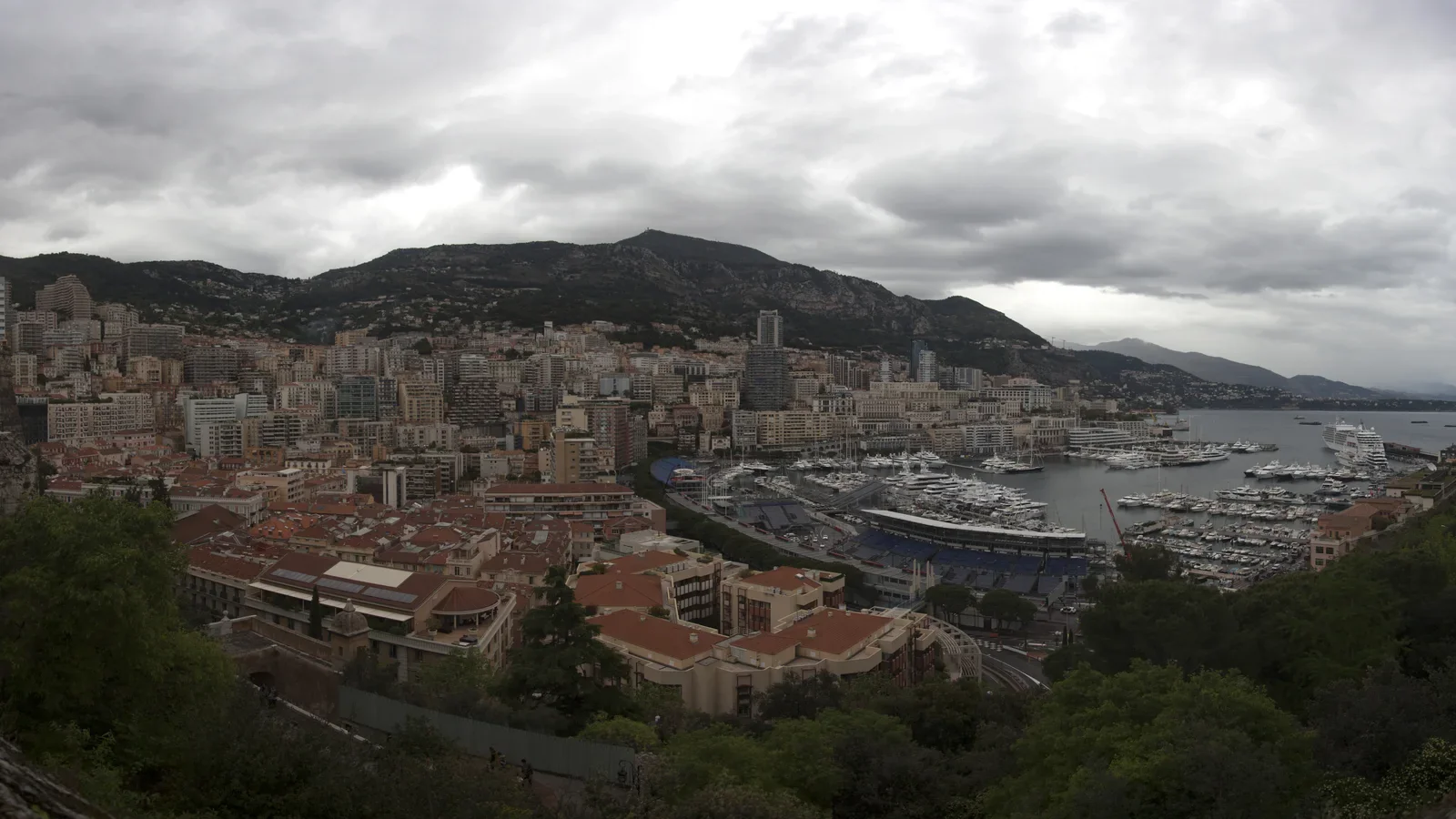
Monaco, Berlin, London, Zandvoort, Madrid, Shanghai and Tokyo each appear with two races on the calendar. Under that format, the second result in the same city is not a replay of the first. Teams can use fresh circuit information, but still need to repeat their sporting execution and manage the consequences of a difficult day. For spectators, a doubleheader offers a direct opportunity to observe how an organisation responds quickly to evidence and to the pressure of another start at the same venue.
Keeping the completed championship separate
The final 2025/26 standings must remain a distinct historical record. They describe performance under the previous generation and calendar, without awarding points in the new campaign. Similarly, an archive photograph should not be interpreted as a picture from a future GEN4 event. Continuity among teams and drivers can help readers follow the story, but clear labelling needs to identify which results are definitive and which races have yet to take place. A familiar name does not make the season context interchangeable.
Using this guide
To follow the campaign, begin with round number, city and the year attached to the date. Add the official weekend timetable when it becomes available. This approach avoids confusing twenty one races with twenty one different destinations and preserves the context of the new technical package. The calendar maps future opportunities. The competitive order will only be established after racing begins, through confirmed results and points assigned to the correct championship edition, rather than through the order in which cities appear on the schedule.


