A confirmed seat for next season
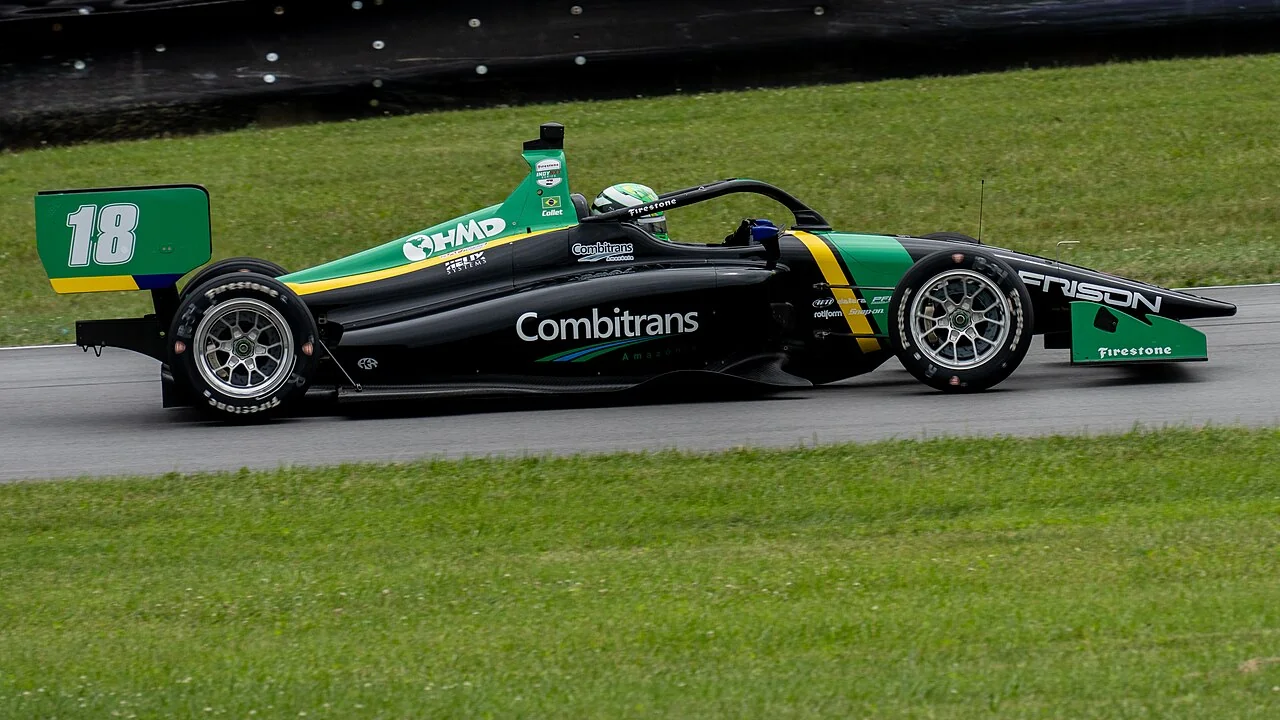
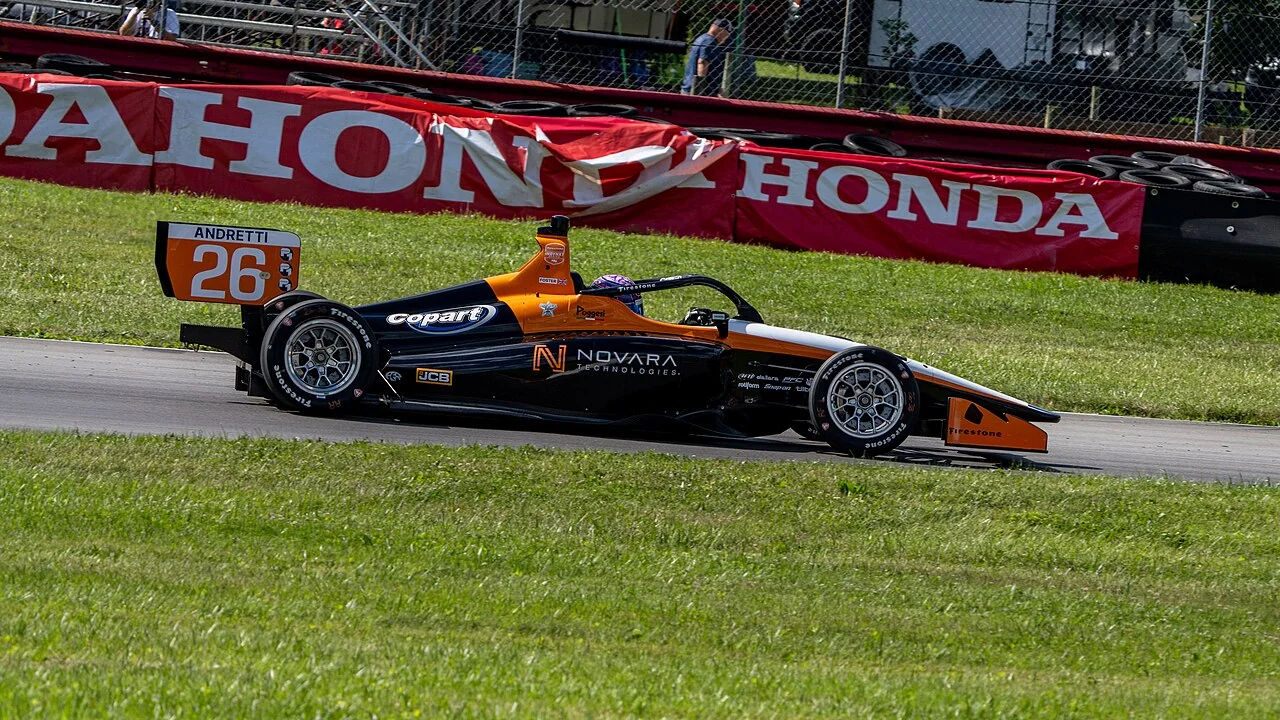
Abel Motorsports has announced Niels Koolen for the 2027 INDY NXT season. The Dutch driver, 25 at the time of the announcement, joins after two seasons with Chip Ganassi Racing. The move gives him a new working environment in a championship he already knows. The announcement establishes the team and the year of the partnership without setting mandatory championship targets. Expectations should begin with verified results and the work ahead with the new organisation, rather than the promise that followers may naturally attach to a change of team. A confirmed seat creates an opportunity for development.
A concrete oval reference
His 2026 record includes two top-five finishes, among them a career-best fourth at World Wide Technology Raceway. That establishes an ability to convert a weekend into a result close to the podium, but cannot show how frequently he will repeat it with Abel. When assessing progress, the frequency of strong results is more informative than selecting one peak performance. His oval experience also needs consideration alongside his road and street circuit results, because a complete campaign requires adaptation between those environments. One circuit can reveal a useful strength without defining the driver’s entire competitive profile.
Adaptation starts before racing
The announcement identified the Chris Griffis Memorial Test on 16 October as the beginning of Koolen’s preparation with Abel. Such a day offers time to establish a shared language between driver and engineers: how he describes understeer, what information follows a setup change and how reliably he can reproduce a handling characteristic. These are editorial observations about the adaptation process, not published details of his exact programme. Test participation and a season contract serve different purposes: the former supplies working time, while the latter establishes the setting in which that work will eventually be used in competition.
How the move can be measured
A useful first criterion for 2027 will be the evolution of results across several events, considering qualifying, race pace and missed opportunities together. A serious comparison will also account for incidents and conditions affecting individual weekends. Changing teams can create conditions for improvement, but it cannot justify assigning a lap-time benefit in advance. For Koolen, the central storyline is whether occasional top-five results become a more frequent presence near the front. The races will establish how effectively the new relationship works, while a series of comparable performances will offer more evidence than any isolated headline result.