More than a change of bodywork
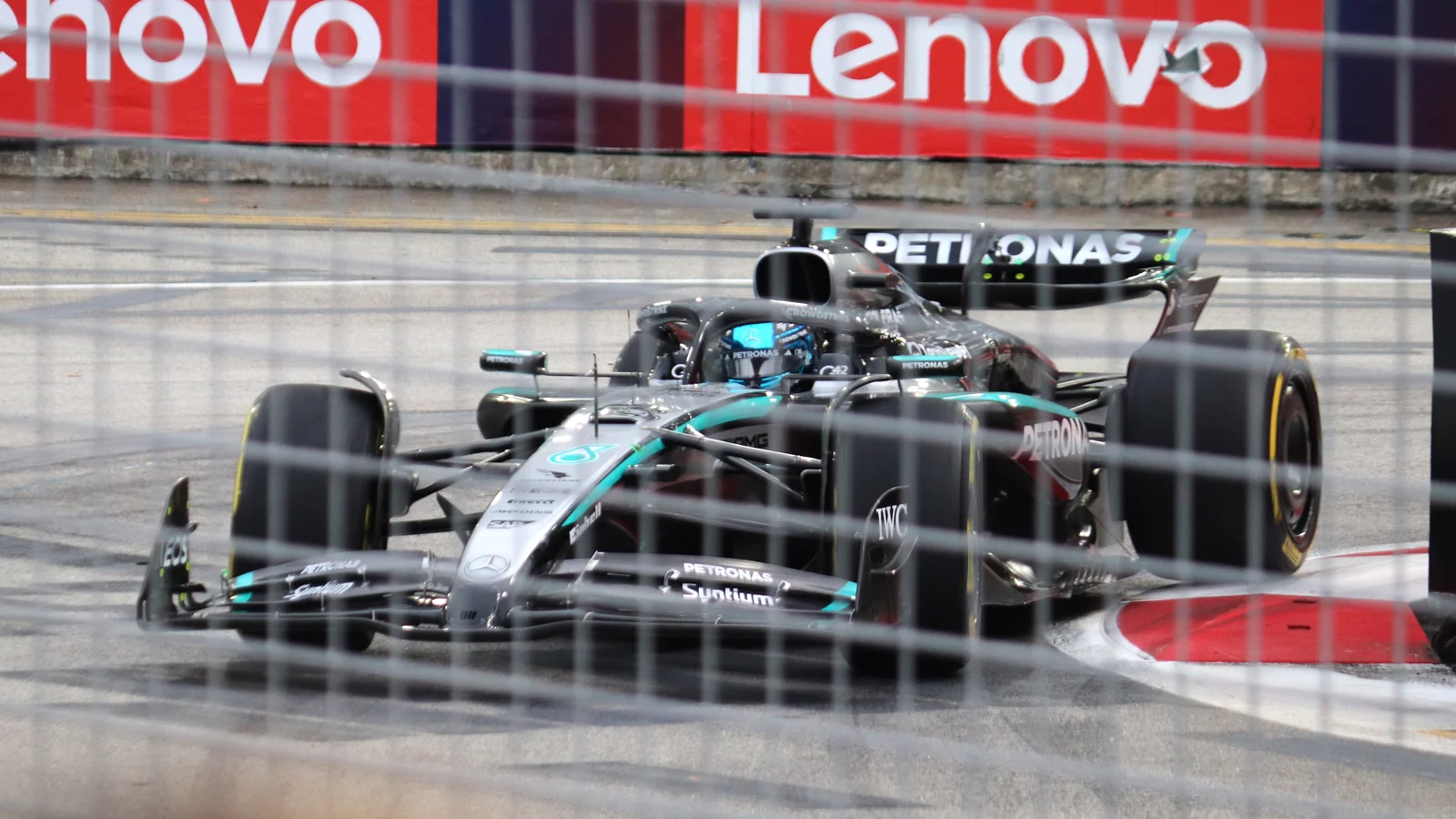
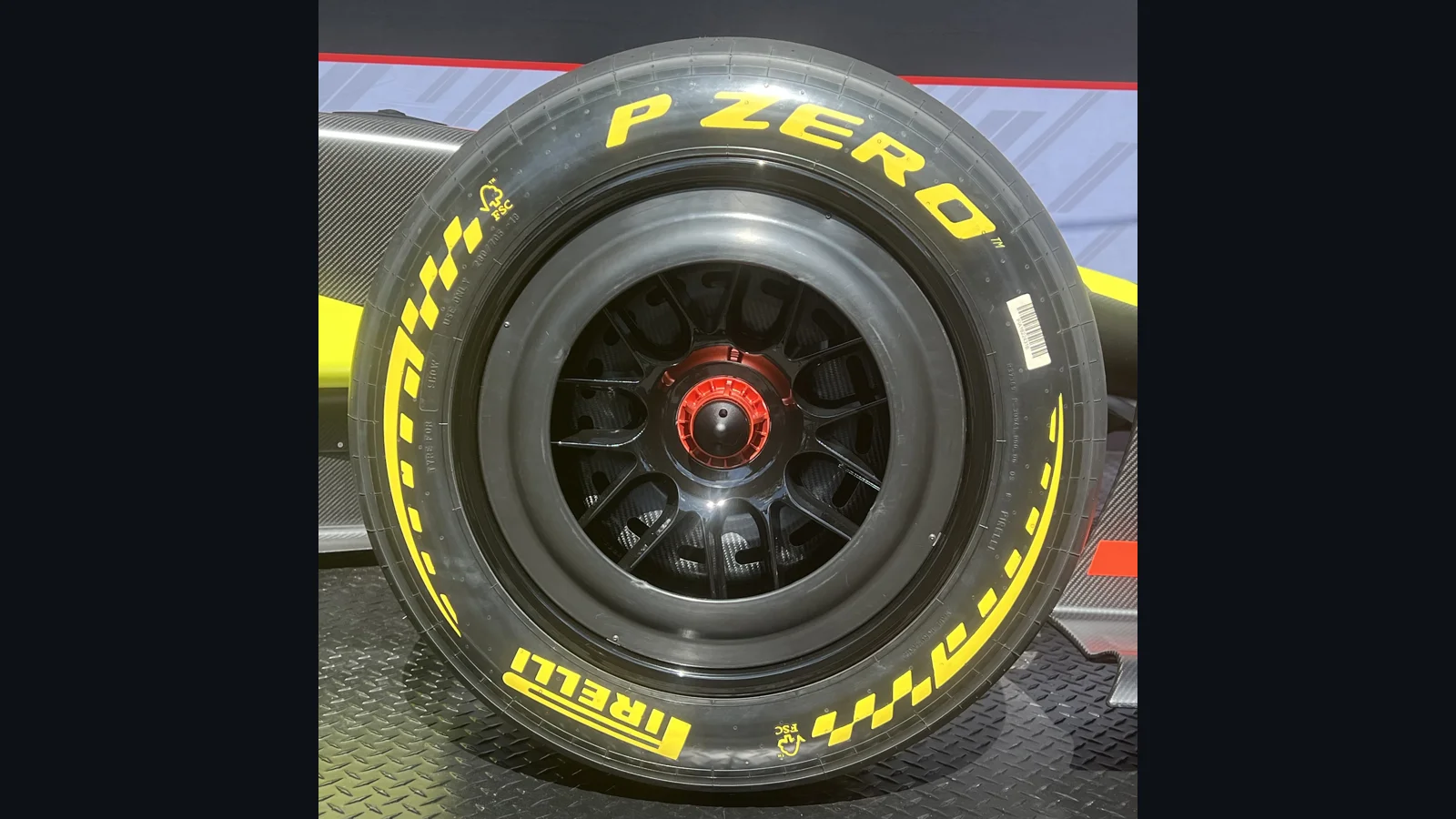
New technical regulations change the relationship between car, driver and engineers. In 2026, teams must balance aerodynamic drag, load on the tyres and available energy. Analysing this generation solely through engine power means missing much of the story.
Two aerodynamic states, one car
Movable wings allow one configuration for corners and another with reduced drag on straights. Straight Mode and Corner Mode describe this compromise. Unlike the old DRS, active aerodynamics must not be confused with the electrical advantage provided for overtaking.
Energy becomes a race decision
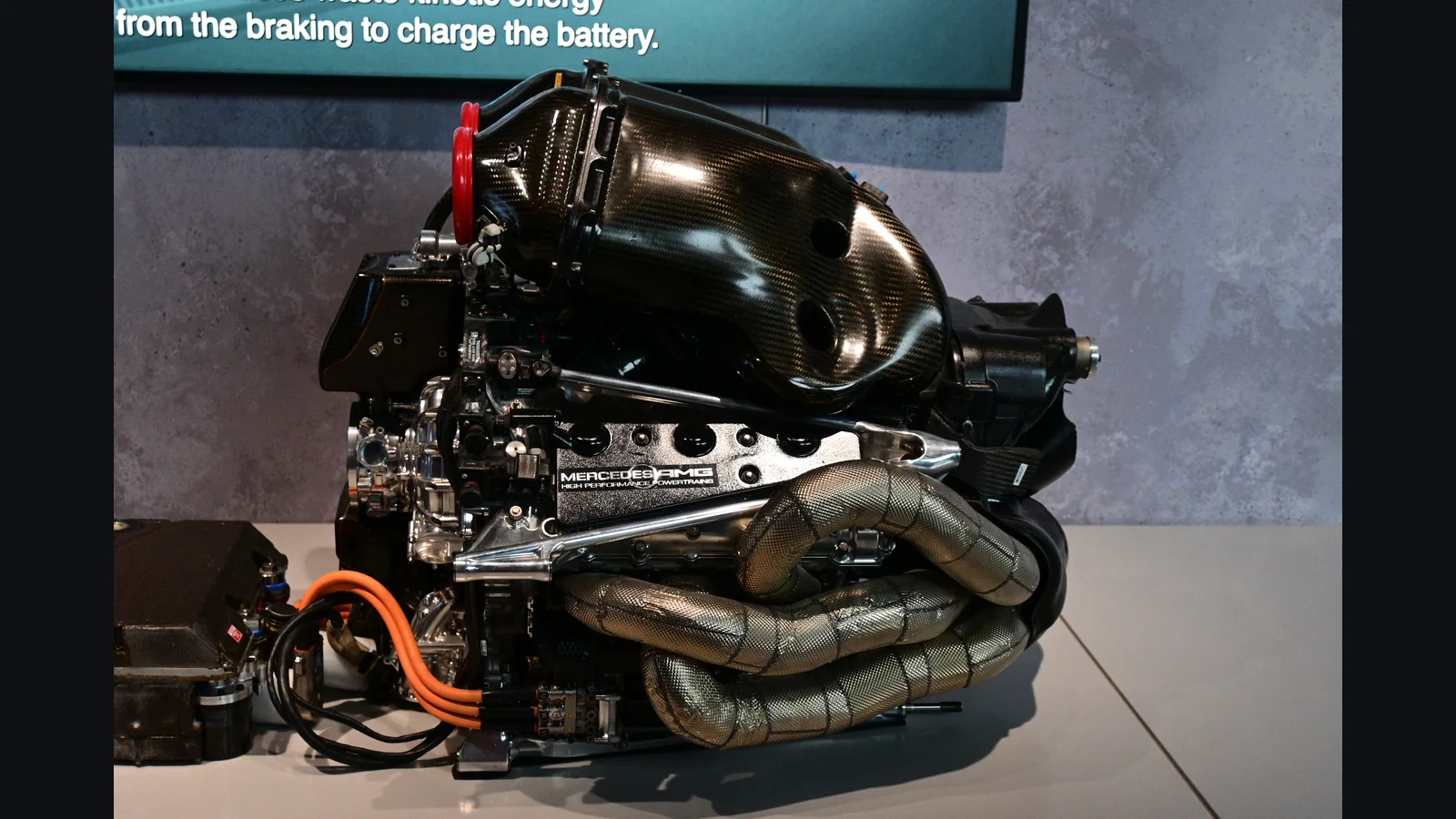
The electric side of the power unit plays a larger role, while the MGU-H has been removed. Recovered energy and energy deployment must be managed throughout the lap. The driver and team decide where an acceleration gain justifies the consumption without compromising the next part of the circuit.
What to watch during a race
Look at the difference between corner exit and speed at the end of the straight, rather than top speed alone. Watch whether a driver can repeat an attack on the next lap and how traffic changes strategy. A car that is fast in one configuration may lose time when its tyres overheat or energy needs to be conserved.
Analysis begins with sources
The interpretations in this article are editorial explanations of principles, not team telemetry. FIA regulations take priority for legal definitions and the latest revisions. Terms and procedures may be updated during the season.