Why the order of stops matters
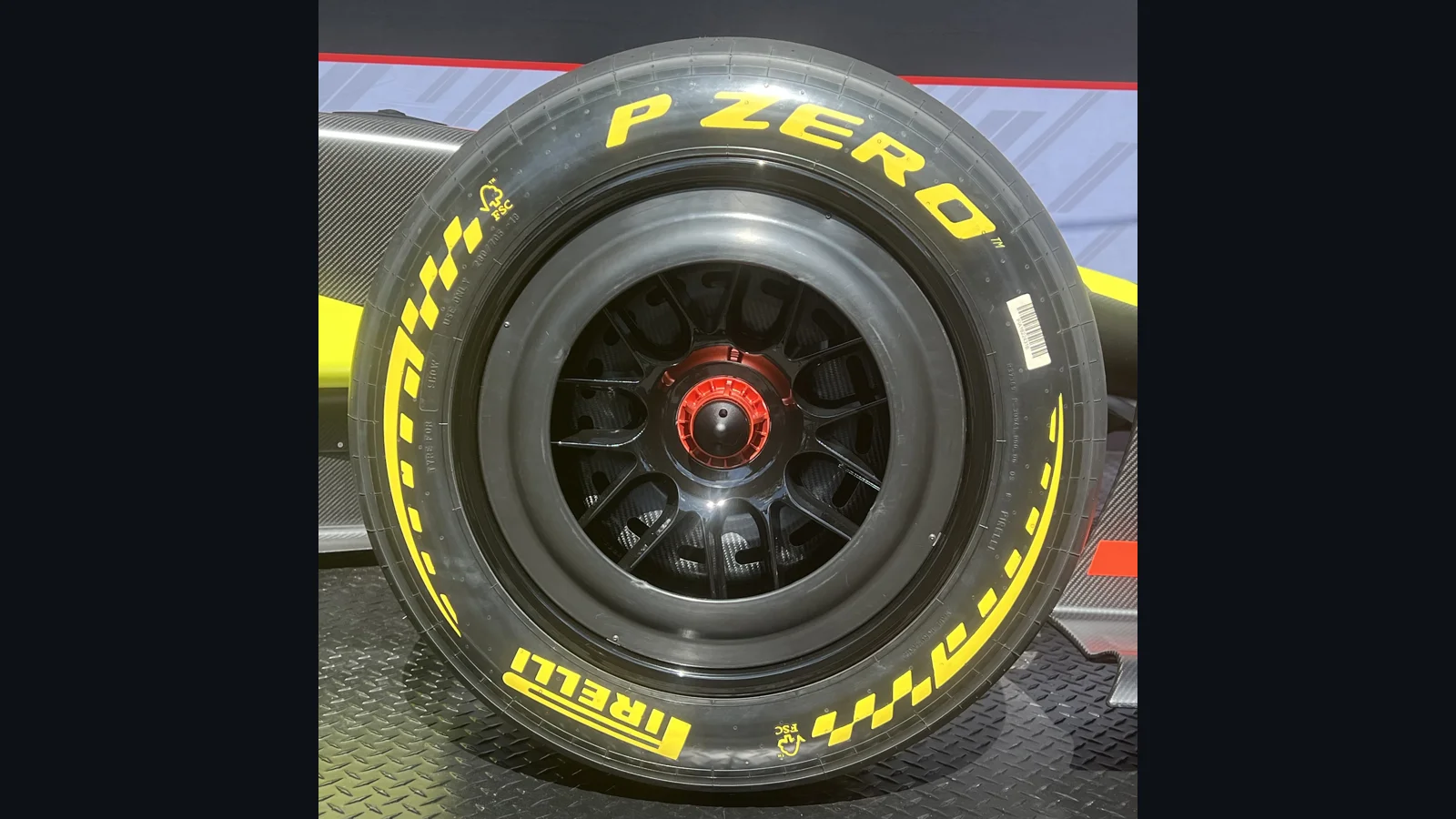
A driver behind a rival may stop first to benefit from fresh tyres sooner. If the out-lap is fast enough, the rival may emerge behind after making their own stop. That is the logic of an undercut. An advantage is not guaranteed, however.
An example, without simulating a real race
Imagine two cars separated by two seconds. The trailing driver stops and gains time on fresh tyres. If traffic or tyre warm-up slows them down, the advantage disappears. This example is illustrative, not telemetry or a historical result.
When you wait rather than stop
An overcut means staying on track after a rival has stopped. It may work if used tyres remain competitive, the track is clear and the rival’s fresh tyres need time to reach the right temperature. A later stop can also provide fresher tyres towards the finish.
An opportunity is not a prediction
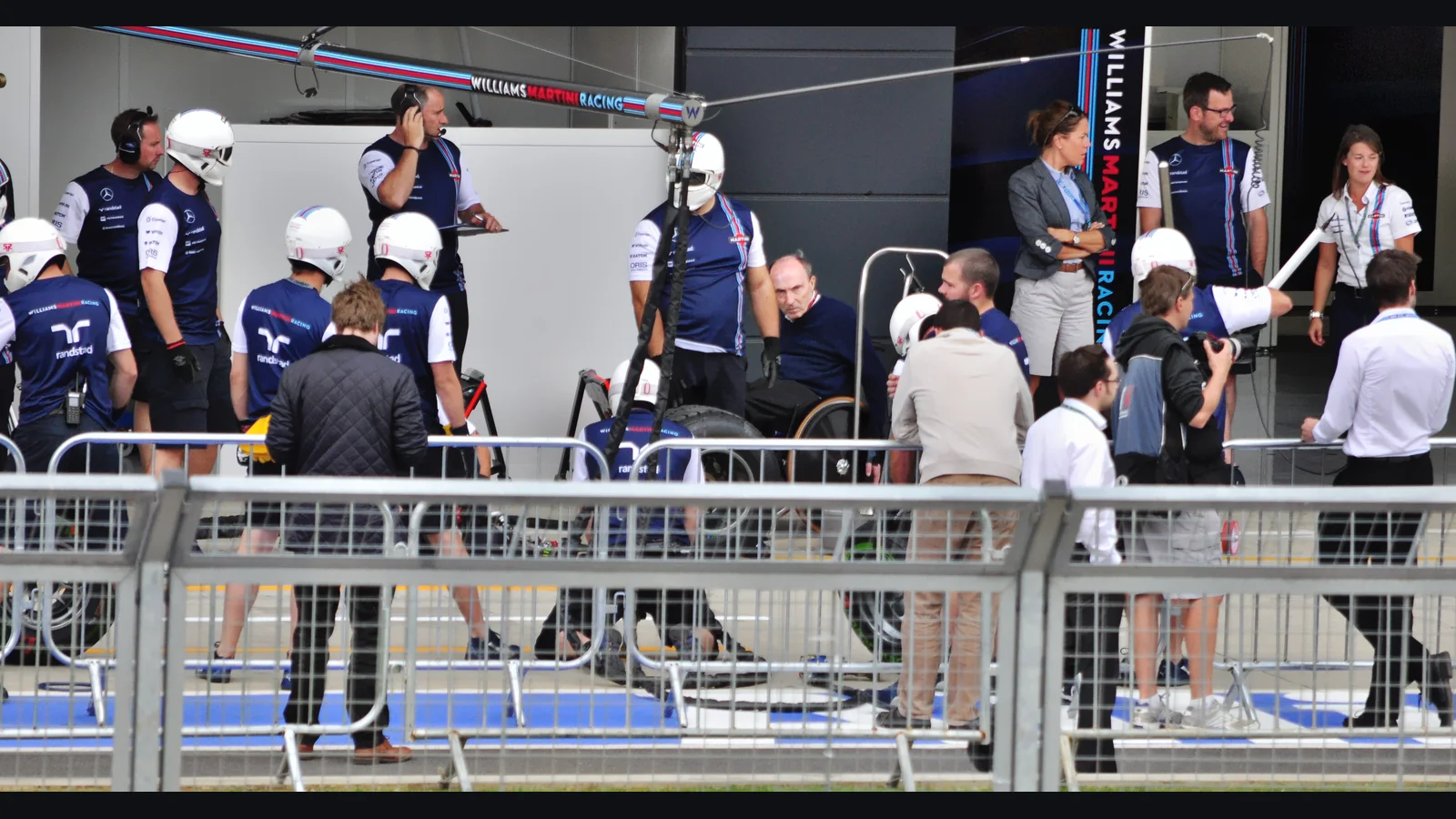
Teams assess time lost in the pits, the likely rejoining position and the pace of nearby cars. A Safety Car can change that calculation, but cannot be assumed. Good analysis explains why a choice was reasonable when it was made, rather than only after the result is known.